

Zappers
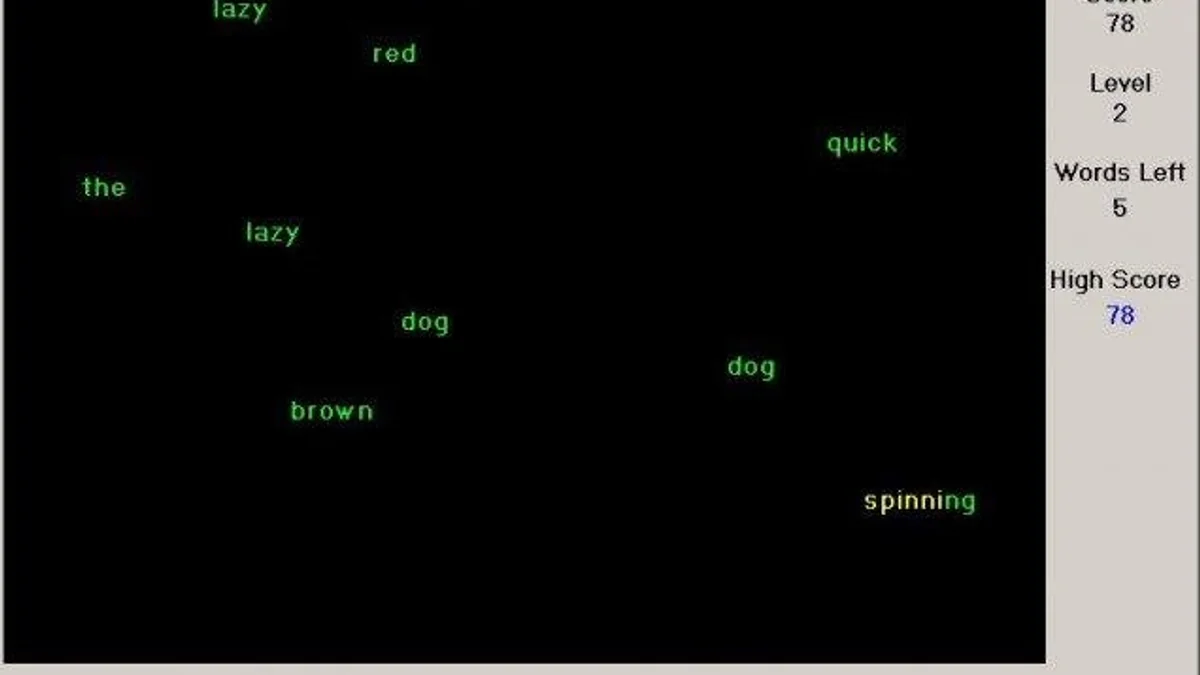
A Delphi 7 typing game built on reusable Windows graphics and keyboard-input libraries.
What I built to learn it
The supporting systems mattered as much as the game.
The project established a durable habit: make an interaction precise, handle the edge cases around it, and treat the supporting infrastructure as part of the product—not invisible plumbing.
- 01Windows form
- 02Custom virtual graphics surface and keyboard buffer
- 03Timer-driven game loop
- 04Falling words, scoring, and explosions
- 05Local word list and high-score persistence
Evidence and provenance
The 2006 source tree includes game units, forms, bitmap resources, README, changelog, GPLv2 license, and three authentic captures. The custom graphics and keyboard library licenses and compiled units survive, but not their readable source. SourceForge is an archive and distribution record; its later registration and update dates are not the project’s creation date.
Historical captures
At a glance
- Role
- Student developer and library author
- Sector
- Early Windows game development
- Constraints
- A responsive typing game required real-time input, animation, and dependable Windows lifecycle handling
- Stack
- Delphi 7 · Windows forms · Custom 2D graphics library · Custom keyboard library · Timer-driven loop
- Result
- A finished, publicly distributed 2006 typing game with documentation, help, assets, lifecycle fixes, editable content, and persistent score tracking—not merely a classroom prototype.
Context to result
The solution followed the shape of the problem.
A compact project map showing what constrained the work, what changed, and the useful outcome.
A responsive typing game required real-time input, animation, and dependable Windows lifecycle handling
Built Zappers in Delphi 7 around a virtual drawing surface, timer-driven loop, keyboard buffer, falling-word gameplay, scoring, explosions, editable word lists, and persistent high scores. The surviving game source is modular; the author’s 2006 GPL license records survive for the custom 2D Delphi Graphics and Delphi Keyboard libraries, while their readable implementation source does not.
A finished, publicly distributed 2006 typing game with documentation, help, assets, lifecycle fixes, editable content, and persistent score tracking—not merely a classroom prototype.
01 · Context
What was getting in the way
An early interest in game development is what led me down the path of Computer Science. For a Programming I college project, I wanted the game to feel immediate rather than behave like a sequence of form controls, so I first built reusable foundations for animation and real-time keyboard input, then built the game on top of them.
02 · Decision
What changed and why
Built Zappers in Delphi 7 around a virtual drawing surface, timer-driven loop, keyboard buffer, falling-word gameplay, scoring, explosions, editable word lists, and persistent high scores. The surviving game source is modular; the author’s 2006 GPL license records survive for the custom 2D Delphi Graphics and Delphi Keyboard libraries, while their readable implementation source does not.
03 · Evidence
A finished, publicly distributed 2006 typing game with documentation, help, assets, lifecycle fixes, editable content, and persistent score tracking—not merely a classroom prototype.
Technology used
- Delphi 7
- Windows forms
- Custom 2D graphics library
- Custom keyboard library
- Timer-driven loop
Explore the product
More work
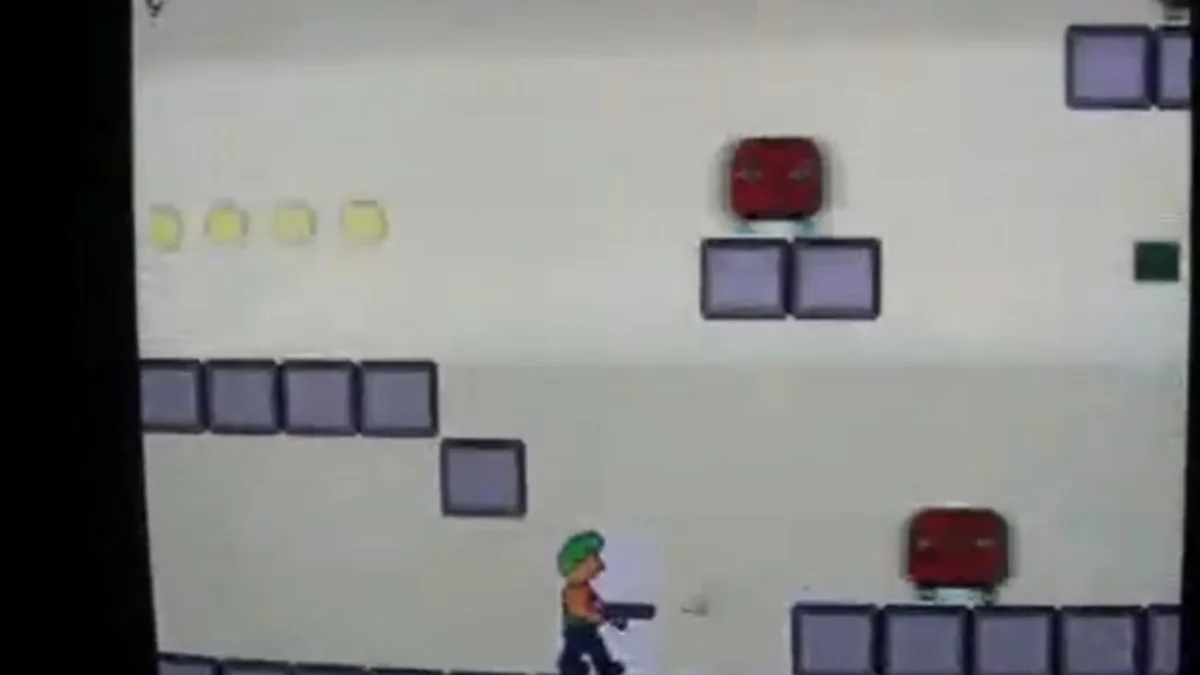
QD Guy Game
A C++ and x86 Assembly game built to understand the machinery beneath a playable experience.
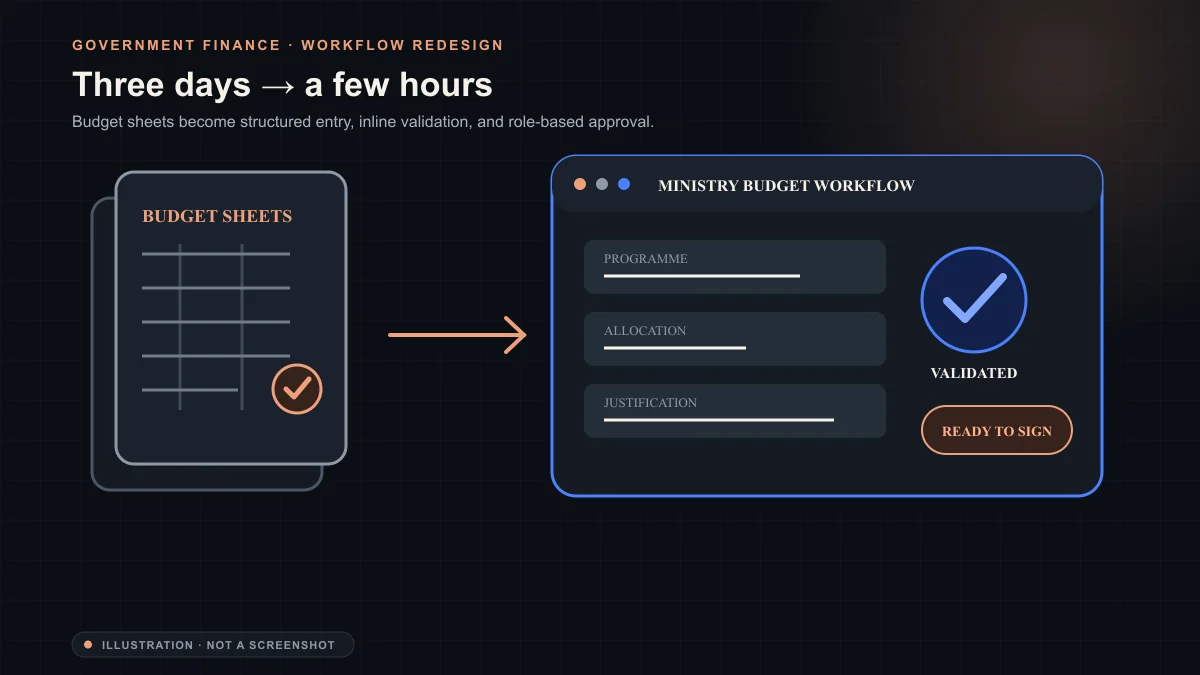
GOCD Budget Web Application
Reduced the ministry budget import, reporting, and printing stage from three days to a few hours.
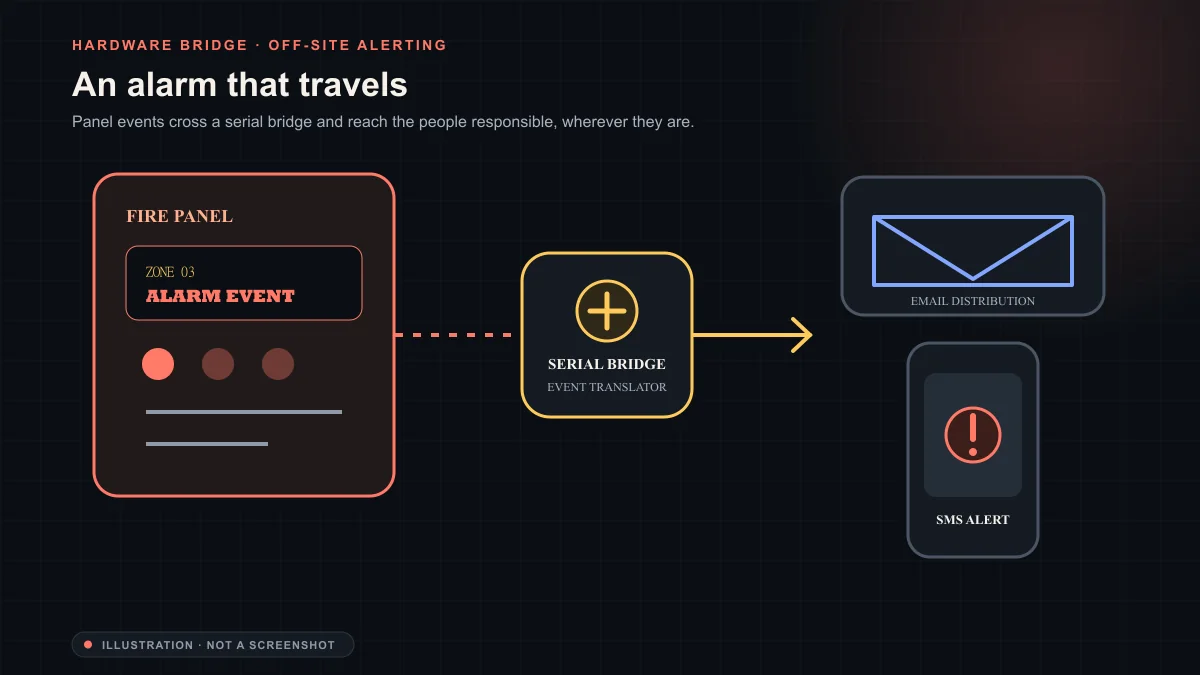
Fire Alarm Panel Alert Emailer
Serial/COM bridge to a Honeywell fire alarm panel, pushing email and SMS alerts to off-site staff.
Your version of the problem
Have a workflow that has outgrown the workaround?
Show me where the process slows, repeats, or loses information. We can shape the right intervention from there.
Describe the workflow